 (Image source: Midjourney)
 Think about the last time you sat down to watch a new show. Did you reach for your phone the moment the pacing slowed down? Or maybe you clicked “Skip Intro” before the theme song even finished. You aren't alone. The way we consume entertainment has shifted drastically, and it is forcing creators to completely rethink how they tell stories. We no longer live in an era where a movie has thirty minutes to set the scene. Today, creators have seconds to grab you before you scroll away. This shift isn't destroying storytelling; it is evolving it into something faster, denser, and more competitive. Let’s look at how audience attention spans are reshaping the landscape of entertainment.
The Myth of the Goldfish Attention Span
There is a popular statistic floating around the internet claiming that human attention spans have dropped to eight seconds, which is supposedly less than that of a goldfish. While this makes for a catchy headline, it isn't entirely true. If humans truly couldn't focus for more than eight seconds, nobody would be binge-watching eight-hour seasons of Stranger Things or listening to three-hour podcast episodes in one sitting.
The reality is more nuanced. We don't have a deficit of attention; we have a surplus of options. Because there is so much content competing for our eyes, from streaming services to social media feeds to video games, we have become ruthless filters. We are constantly auditing content to see if it is worth our time.
This filtering process is what has changed. In the past, you might have sat through a boring first act of a movie because there was nothing else on TV. Now, you can switch apps instantly. This means storytelling hasn't lost the ability to be deep or long; it just lost the privilege of being boring. The "slow burn" isn't dead, but the fuse has to be lit immediately.
The Rise of the "Cold Open" Culture
One of the most visible changes in modern storytelling is the death of the slow introduction. In traditional storytelling, you might spend the first chapter or the first twenty minutes of a film establishing the "ordinary world" of the protagonist. You would see them brushing their teeth, going to work, and living a normal life before the adventure begins.
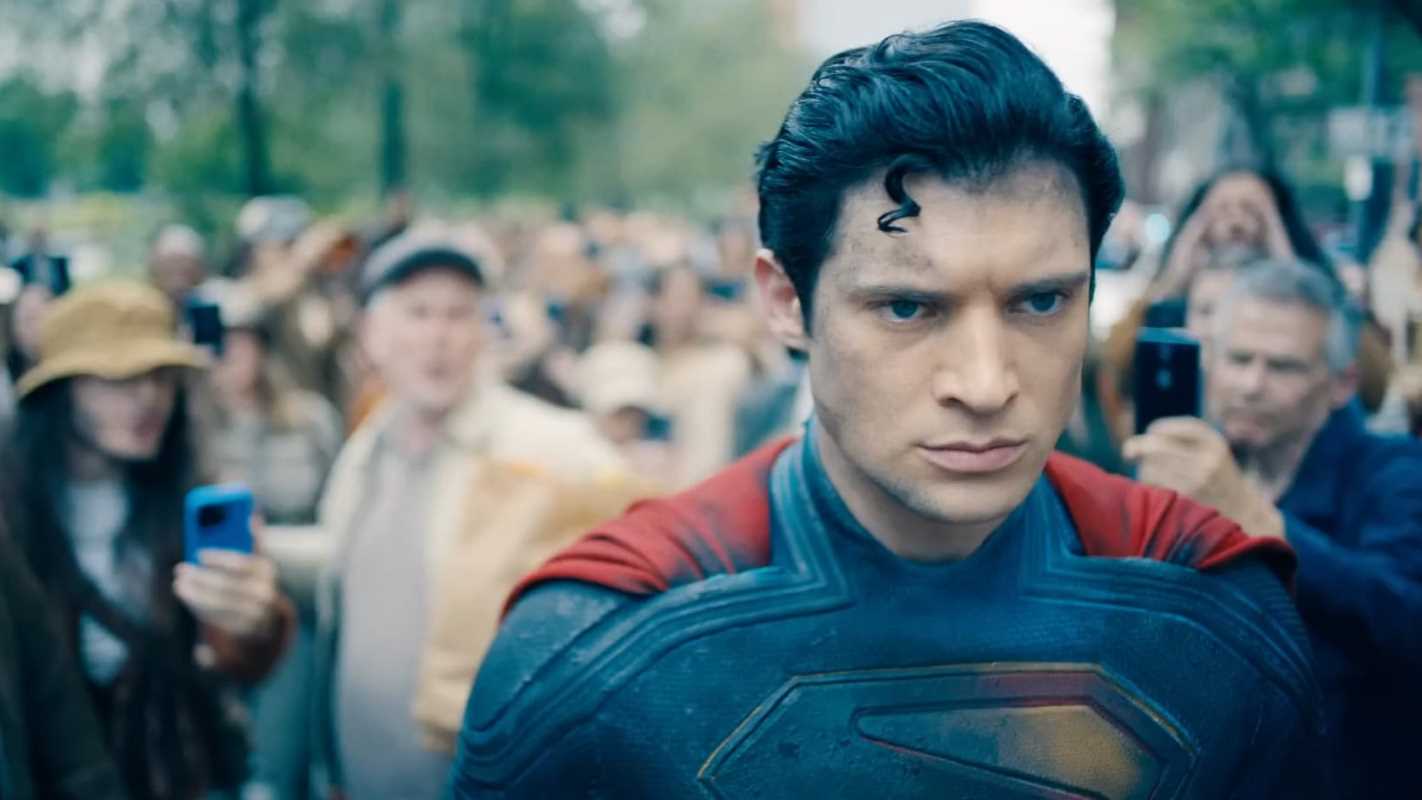
Today, that structure is considered risky. Instead, we are seeing the dominance of the "cold open." This is a technique where the story drops the audience right into the middle of the action or a high-stakes emotional moment before the title card even appears.
You see this everywhere. YouTube creators shout the premise of the video in the first five seconds to prevent you from clicking away. Action movies often start with a massive set-piece battle before explaining who the characters are. Even novels are increasingly starting in media res (Latin for "in the midst of things"). The goal is to hook the audience emotionally or intellectually instantly, promising them that the payoff will be worth their time. If you don't answer the question "Why should I care?" in the first minute, you have likely already lost the audience.
How Micro-Content is Changing Narrative Arcs
Social media platforms like TikTok, Instagram Reels, and YouTube Shorts have introduced a new format: micro-storytelling. These platforms restrict creators to sixty seconds or less, yet we still crave a beginning, middle, and end. This constraint has birthed a new kind of narrative efficiency.
In micro-storytelling, there is zero room for fluff. A creator telling a funny story about their day doesn't start with "So, I woke up and had coffee." They start with the climax: "I just accidentally set my kitchen on fire." They give you the punchline first to earn your attention, then backtrack to explain how it happened.
This structure is bleeding into longer forms of entertainment. TV shows are becoming denser. Dialogue is snappier, often removing the polite "hello" and "goodbye" of conversation to get straight to the conflict. The "filler episode" (a staple of older television where the plot pauses for a side adventure) is largely disappearing because modern audiences view it as a waste of time. They want every scene to advance the main plot or deepen character development. The efficiency of a sixty-second video is teaching audiences to expect that same lack of wasted breath in a two-hour movie.
The Disappearance of "Breathing Room"
If you watch a movie from the 1970s and compare it to a blockbuster from today, the difference in pacing is jarring. This is measurable through something called Average Shot Length (ASL). In older cinema, a camera might linger on a landscape or a character's face for ten or fifteen seconds. Today, the editing is much faster, with cuts happening every two to three seconds.
This rapid-fire editing style mimics the way we consume information online. We are used to scrolling, swiping, and processing new images rapidly. Storytellers are mirroring this by removing the "breathing room" from their narratives.
While this keeps the energy high, it creates a new challenge for writers and directors. Moments of silence and stillness are often where emotional resonance happens. If a character dies and the movie immediately cuts to the next explosion, the audience doesn't have time to grieve. The challenge for modern storytellers is finding ways to integrate these necessary emotional beats without making the audience feel like the momentum has stalled. It requires a delicate balance of high-octane pacing and emotional precision.
Second Screens and the Battle for Focus
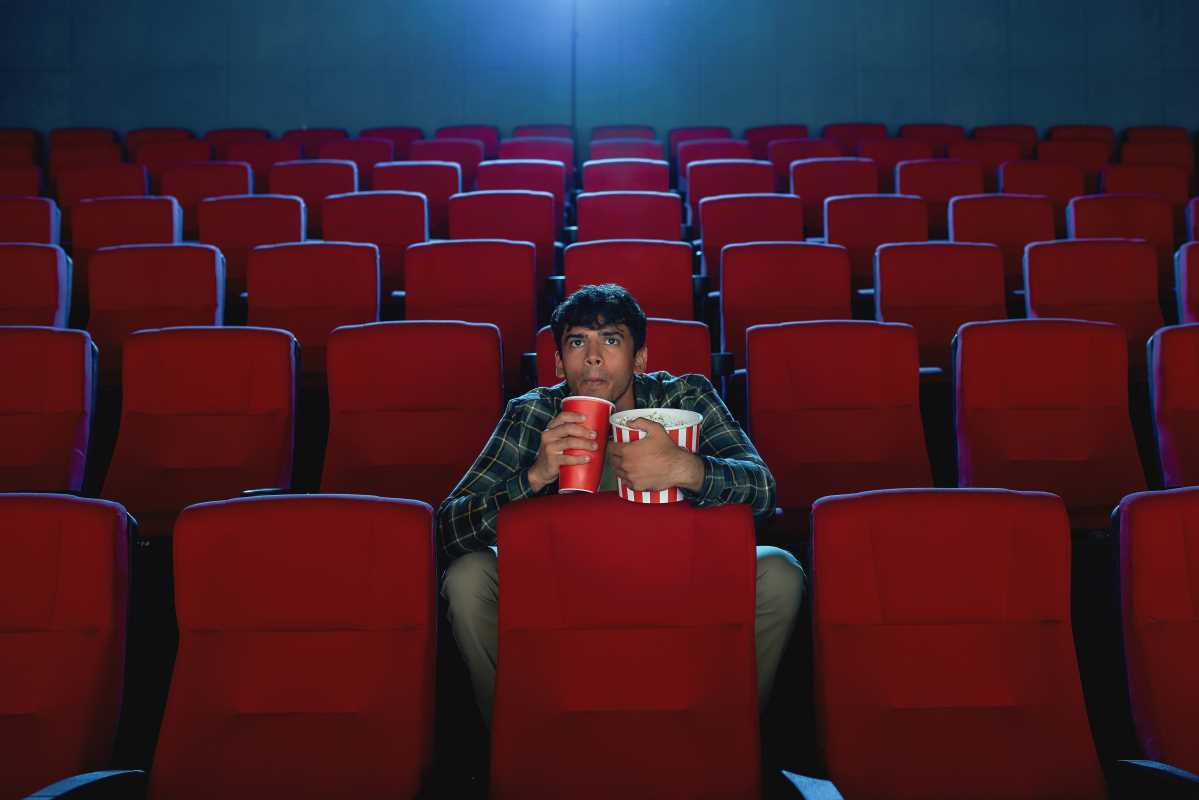
Another major factor redefining storytelling is the "second screen" phenomenon. A huge percentage of people look at their smartphones while watching TV. They are texting, checking sports scores, or looking up the cast of the show they are watching.
This divided attention has influenced how scripts are written. Plots need to be easy enough to follow even if you miss a visual cue, but engaging enough to make you look up from your phone. This has led to an increase in "audio-forward" storytelling. Characters often verbalize their plans or feelings more explicitly than they might have in the past, ensuring that a distracted viewer can still follow the plot through dialogue alone.
But, the best storytellers fight back against the second screen by making their visuals impossible to ignore. They use "Easter eggs" (hidden details in the background) to reward viewers who are paying close attention. Shows like Game of Thrones or the Marvel Cinematic Universe movies encourage deep focus because missing a small detail might mean missing a major plot clue. This creates a two-tier experience: a casual watch for the distracted viewer, and a rich, rewarding experience for the superfan.
Actionable Advice for Modern Creators
If you are a writer, filmmaker, or content creator, adapting to these changes is essential. Here are a few ways to refine your storytelling for the modern attention span:
Front-Load the Value
Don't save your best material for the end. Whether it is a blog post, a video, or a script, put something compelling right at the top. Give the audience a reason to trust that the rest of the content will be good.
Cut the Exposition
Trust your audience to figure things out. You don't need to explain the entire history of your fictional world in the first scene. Drop the viewer into the story and let them learn the rules as they go. Mystery is a great tool for retention; boredom is not.
Use Visual Variety
If you are working in video, change the visual stimulus frequently. This doesn't mean you need explosions every five seconds, but changing the angle, lighting, or setting keeps the brain engaged. In writing, vary your sentence length and paragraph structure to keep the reader's eye moving down the page.
Respect the Audience's Time
This is the golden rule. Every sentence, scene, or frame should serve a purpose. Ask yourself, "Does this move the story forward?" If the answer is no, cut it. Your audience is giving you the most valuable resource they have: their time. Treat it with respect.